











cerrar
cerrar
Su red del mañana
Su red del mañana
Planifique su camino hacia una red más rápida, más segura y más resistente diseñada para las aplicaciones y los usuarios a los que da soporte.
            Descubra Netskope
            Ponte manos a la obra con la plataforma Netskope
            Esta es su oportunidad de experimentar de primera mano la Netskope One plataforma de una sola nube. Regístrese para participar en laboratorios prácticos a su propio ritmo, únase a nosotros para una demostración mensual del producto en vivo, realice una prueba de manejo gratuita de Netskope Private Accesso únase a nosotros para talleres en vivo dirigidos por instructores.
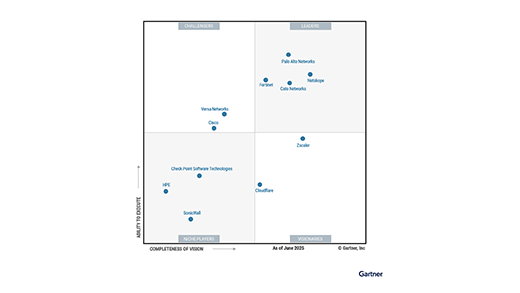
              Líder en SSE. Ahora es líder en SASE de un solo proveedor.
              Netskope ha sido reconocido como Líder con mayor visión tanto en plataformas SSE como SASE
              2X líder en el Cuadrante Mágico de Gartner® para SASE Plataforma
              Una plataforma unificada creada para tu viaje
                ""
                Netskope One AI Security
                Organizations need secure AI to move their business forward, but controls and guardrails must not require sacrifices in speed or user experience. Netskope can help you say yes to the AI advantage.
                  ""
                  Netskope One AI Security
                  Organizations need secure AI to move their business forward, but controls and guardrails must not require sacrifices in speed or user experience. Netskope can help you say yes to the AI advantage.
                    Prevención de pérdida de datos (DLP) moderna para dummies eBook
                    Prevención moderna de pérdida de datos (DLP) para Dummies
                    Obtenga consejos y trucos para la transición a una DLP entregada en la nube.
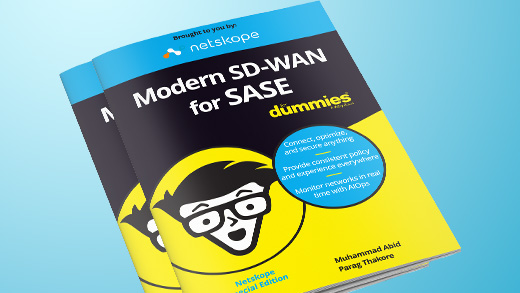
                      Libro SD-WAN moderno para principiantes de SASE
                      SD-WAN moderna para maniquíes SASE
                      Deje de ponerse al día con su arquitectura de red
                        Entendiendo dónde está el riesgo
                        Advanced Analytics transforma la forma en que los equipos de operaciones de seguridad aplican los conocimientos basados en datos para implementar una mejor política. Con Advanced Analytics, puede identificar tendencias, concentrarse en las áreas de preocupación y usar los datos para tomar medidas.
                            Soporte técnico Netskope
                            Soporte técnico Netskope
                            Nuestros ingenieros de soporte cualificados ubicados en todo el mundo y con distintos ámbitos de conocimiento sobre seguridad en la nube, redes, virtualización, entrega de contenidos y desarrollo de software, garantizan una asistencia técnica de calidad en todo momento
                              Vídeo de Netskope
                              Netskope Training
                              La formación de Netskope le ayudará a convertirse en un experto en seguridad en la nube. Estamos aquí para ayudarle a proteger su proceso de transformación digital y aprovechar al máximo sus aplicaciones cloud, web y privadas.

                                Activities in the Cloud, and What They Mean

                                Nov 05 2015
                                Tags
                                Cloud Best Practices
                                Cloud Security
                                Netskope Cloud Report
                                Tools and Tips

                                Each quarter we report on aggregated, anonymized findings such as top used apps, top activities, and top policy violations from across our customers using the Netskope Active Platform.

                                While this season’s report highlights industry usage, especially data violations in industries like healthcare and retail, an important area we dug into was activities. Unlike perimeter solutions that articulate activity in cloud services in “gets” and “posts” and measure them in bytes up or down, we can tell the actual activity, like “share,” “upload,” “create,” “post,” “edit,” “download,” “approve,” and so on. Because we normalize these activities, we can see usage in aggregate, for example, all “shares” whether they’re in Cloud Storage, CRM, Business Intelligence, or Finance apps. This gives our customers a sense for where the non-compliant or risky activities are likely to be, what constitutes real data movement (versus just a chatty app), and potential data exposure, as well as enables our customers to know where to set granular, activity-level policies that address real risk (versus taking a coarse-grained, allow-or-block approach).

                                With that in mind, here are some activity-level aggregate findings (and my attempt at interpreting them!) that, when put into the context of their cloud app categories, are unexpected or at least put risk into stark relief. Here goes…

                                We start with Cloud Storage (apps like Dropbox, Box, Microsoft 365, and Google Workspace):

                                • “Share” is the most common activity
                                • For every “login,” there are four “shares”
                                • For every “upload,” there are two “downloads”

                                Why do we care about “downloads” and “shares?” These are activities associated with data leakage and exposure. When IT doesn’t always have visibility into what apps are in use, much less what content is housed in them, data-exposing activities take on new meaning. Is that file that’s being shared a photo or a non-public draft of your quarterly earnings release?

                                Another category we looked at is HR (apps like SuccessFactors, Workday, Taleo, and Cornerstone OnDemand):

                                • “Download” is the fourth most common activity
                                • There are nearly as many “downloads” as “uploads”
                                • “Share” is a top-ten activity

                                Why do we care about “downloads” in HR? Unlike apps that we hear a lot about, such as Dropbox and Evernote, HR apps are often not on IT’s radar. This means organizations often don’t know the extent of HR apps in their environment, who’s administering them, and whether the apps have proper access and data controls in place. With this lack of visibility as a backdrop, “download” of information can signal a policy violation and potentially exposure of sensitive employee information. What if the downloader is not in HR? What if they’re a former HR director who left the company two weeks ago?

                                Finally, we looked at Business Intelligence apps (apps like Qualtrics, Birst, or Tableau):

                                • “Share” is the most common activity
                                • For every data “upload,” there are two “shares”
                                • There are as many “downloads” as there are “views”

                                Why do we care about “shares” in Business Intelligence apps? These apps often house confidential corporate information such as line-of-business performance metrics. While many such apps will have controls in place that prevent inadvertent sharing outside of the company, sometimes it is possible to share with unauthorized individuals within the company.

                                In short, activities can say a lot about the nature of the app, how and whether people are deriving value from it, and how risky it may be in an organization. Activities can signal out-of-compliant behaviors and, when taken with other data, such as our compromised account intelligence, can indicate external threats. Activities are essential!

                                Which combination of apps and activities are you most interested in?

                                Conéctese con Netskope

                                Subscribe to the Netskope Blog

                                Sign up to receive a roundup of the latest Netskope content delivered directly in your inbox every month.